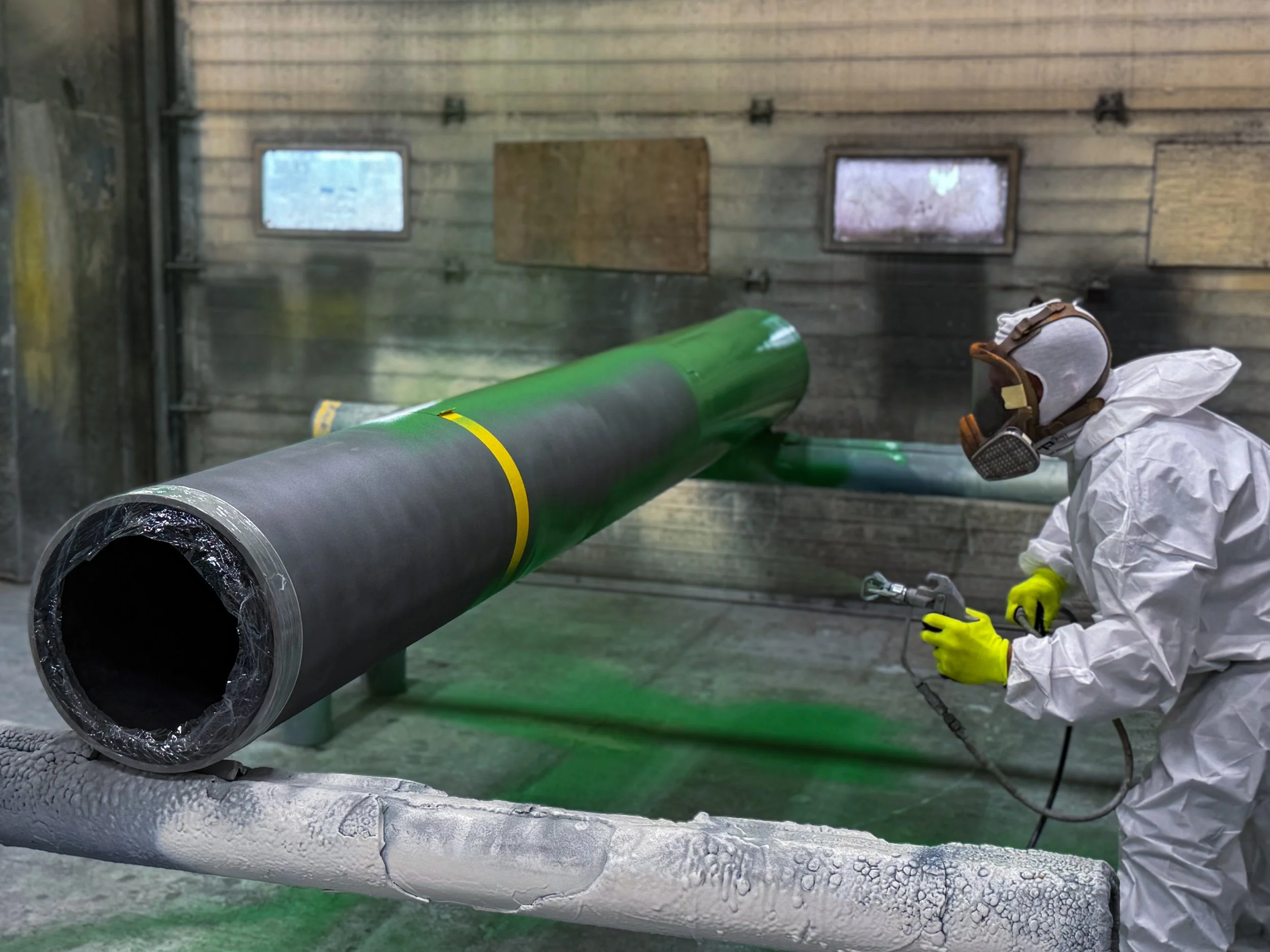
Pipeline Coatings Alberta
Industrial painting solutions designed to protect equipment from corrosion, wear, and extreme environments. Serving heavy industry within Alberta and Beyond with durable, high-performance coatings. Contact us to discuss your project and request a quote.

Pipeline Coatings Alberta Overview
What is the Purpose of Pipeline Coating?
Pipeline coatings serve as the first line of defense, primarily against internal and external corrosion, which degrades a pipeline’s structural integrity over time and can lead to leaks and further damage to pipeline infrastructure and the surrounding environment.
What are the benefits of Industrial Painting?
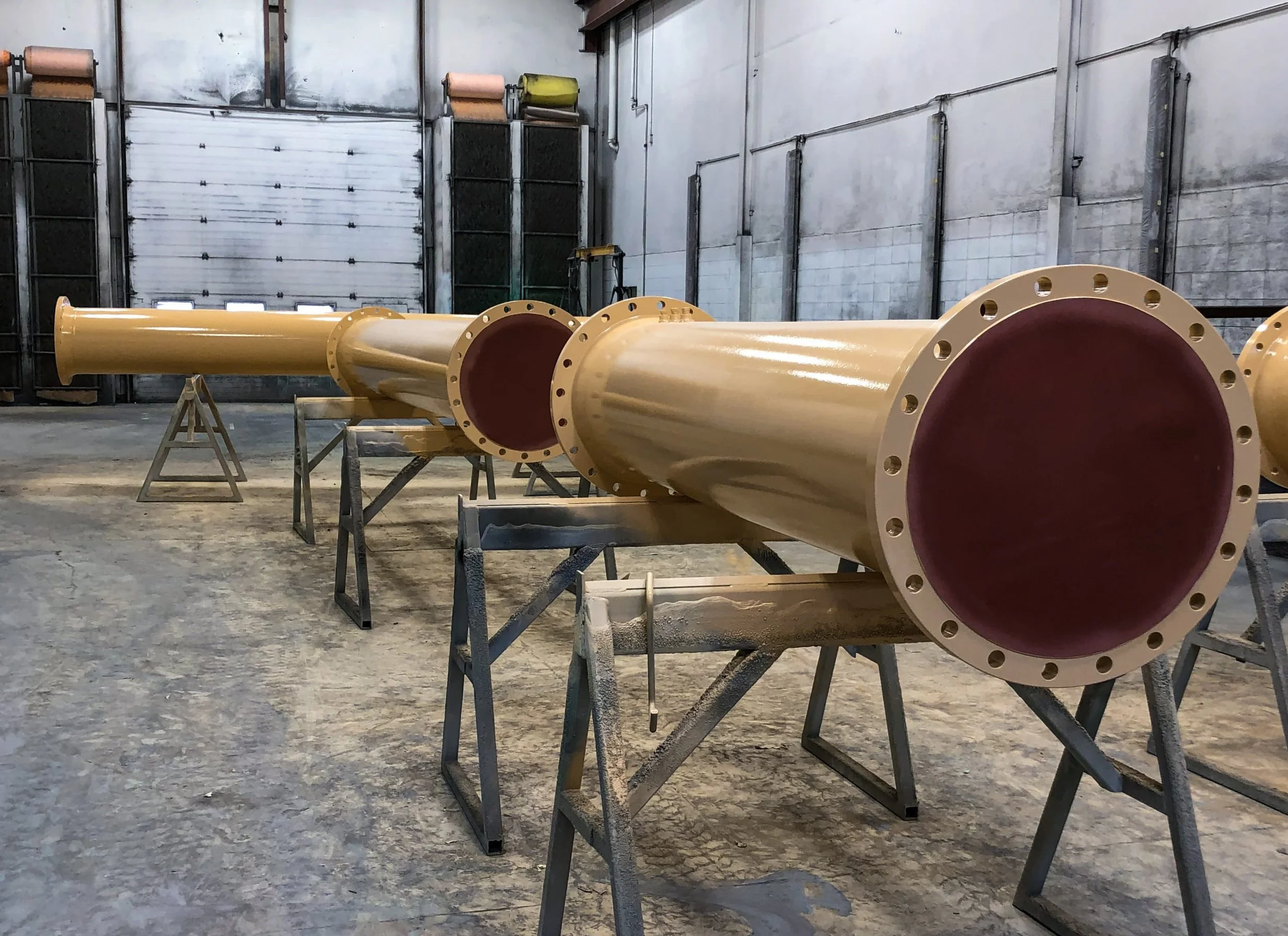
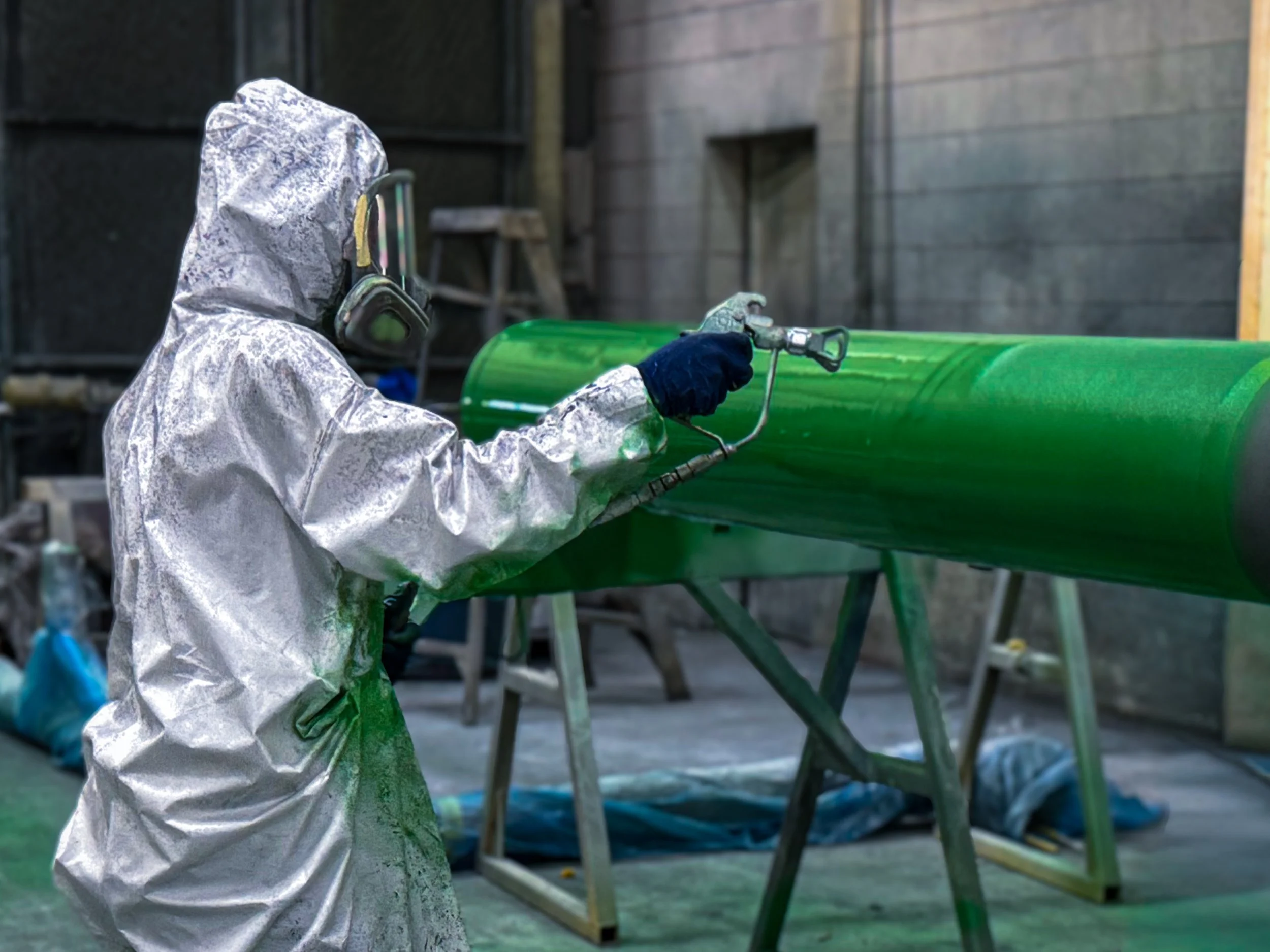
Pipeline coating refers to both internal and external specified pipeline coating systems. Common internal pipeline coatings include Fusion Bond Epoxy and liquid epoxies (such as Denso Protal 7200). External pipeline coating systems use one or two coats of Fusion Bond Epoxy, 3LPE & 3LPP systems, Liquid Epoxies, & Polyurethane coating systems.
Why is Pipeline Coating a Smart Investment?
Pipeline coating substantially extends the service life of pipeline assets, sometimes adding 15-25+ years of operational use. It is estimated that increasing the service life of pipeline assets by just 1% is enough to cover the cost of pipeline coatings, making it an easily justifiable investment to avoid production shutdowns, equipment & infrastructure damage, and protect the environment.
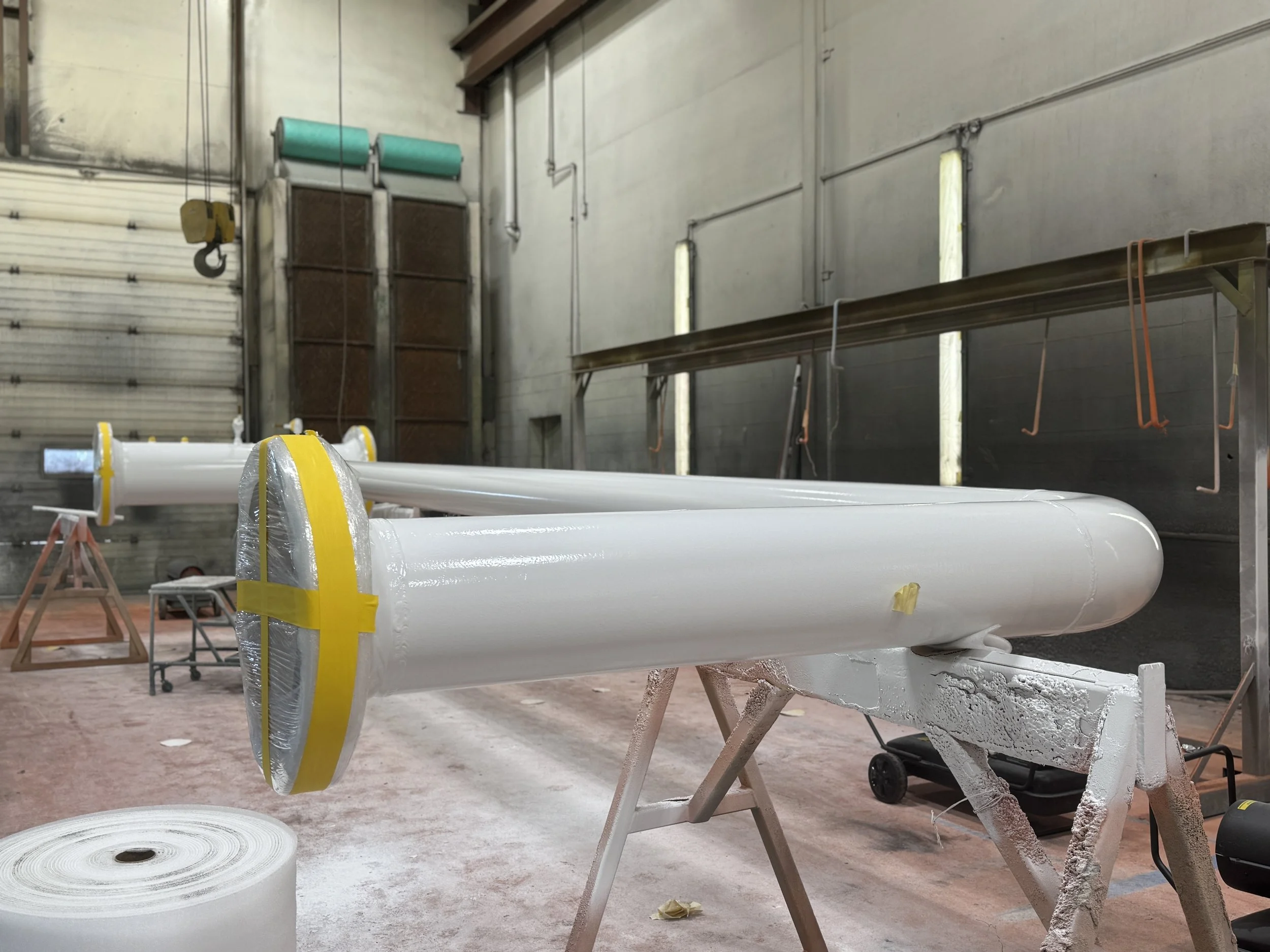
THE IMPORTANCE OF PIPELINE COATING
According to the Alberta Energy Regulator, of the 277 pipeline incidents reported in 2025, 229 were pipeline failures. The two leading causes of pipeline failure include internal corrosion (38%) and external corrosion (13%). Additionally, 85% of licensed pipelines are made of steel, making them highly susceptible to corrosive damage.
Pipeline leaks & failures have many negative impacts, including environmental damage, repair and cleanup costs, and lost profits from operational downtime. Exact figures for annual pipeline failure costs in Canada are difficult to find, but it is theorized that costs exceed a few billion dollars annually. The investment in protective coating is clearly justified when increasing pipeline service life by 1% pays for the cost of pipeline coating.
Pipeline asset owners must invest in pipeline protection to prevent costly damage. This investment begins with developing a proper coating specification for your pipeline asset and finding a trusted coating applicator with years of experience adhering closely to specifications, accurately and on schedule. Custom Coatings International has 30+ years of industrial coating experience and NACE Level 1 & 2 inspectors on staff (with NACE Level 3 inspectors available upon request), with quality assurance supported by reviews from oil and gas industry leaders such as Baker Hughes and Halliburton - Summit ESP. Contact us for quotes and inquiries below:
Internal & External Pipeline Coatings
External Coatings
External pipeline coatings serve as a protective barrier between the pipeline's exterior steel surface and the external environment, whether it be soil, marine/immersed areas, or the outside environment. As with internal coatings, corrosion is the largest contributor to pipeline leaks and failures, especially under deposits and in microbiological, Chemical (oxygen, hydrogen, hydrogen sulfide, etc.), atmospheric, & interference corrosion, which can occur under the coating or at valves or fittings.
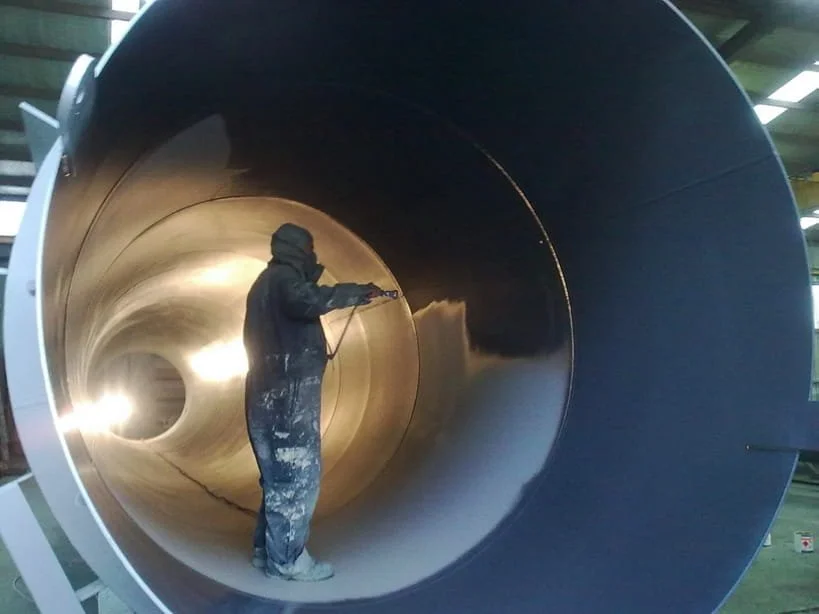
Internal Coatings
Internal Pipeline coatings act as a barrier that protects the pipeline from the fluid. According to the Alberta Energy Regulator, the most common causes of internal corrosion include under-deposit corrosion, microbiologically influenced corrosion, interference, CO2 corrosion, and corrosion under internal coatings. Besides corrosion protection, internal pipeline coatings are designed to increase flow efficiency, prevent product contamination, and avoid internal deposition of fluid contaminants.
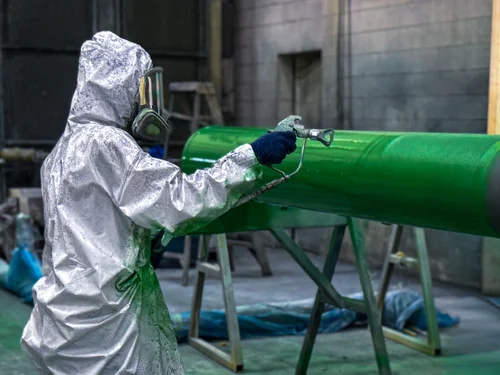
100% Solid Epoxies (Denso Protal 7200)
Denso Protal 7200 is the preferred external (and internal) coating for pipeline materials, corrosion, and integrity engineers because of its proven physical properties, adhesion performance, and reliable cure characteristics. Key performance features include:
- Fast touch-dry and set times
- High temperature resistance up to 95°C (203°F)
- High abrasion resistance and build (up to 70 mils/ 1778 micro per coat)
- Strong chemical resistance
- Meets sewage infrastructure AWWA C213 & C550, NSF/ ANSI 61 specification standards
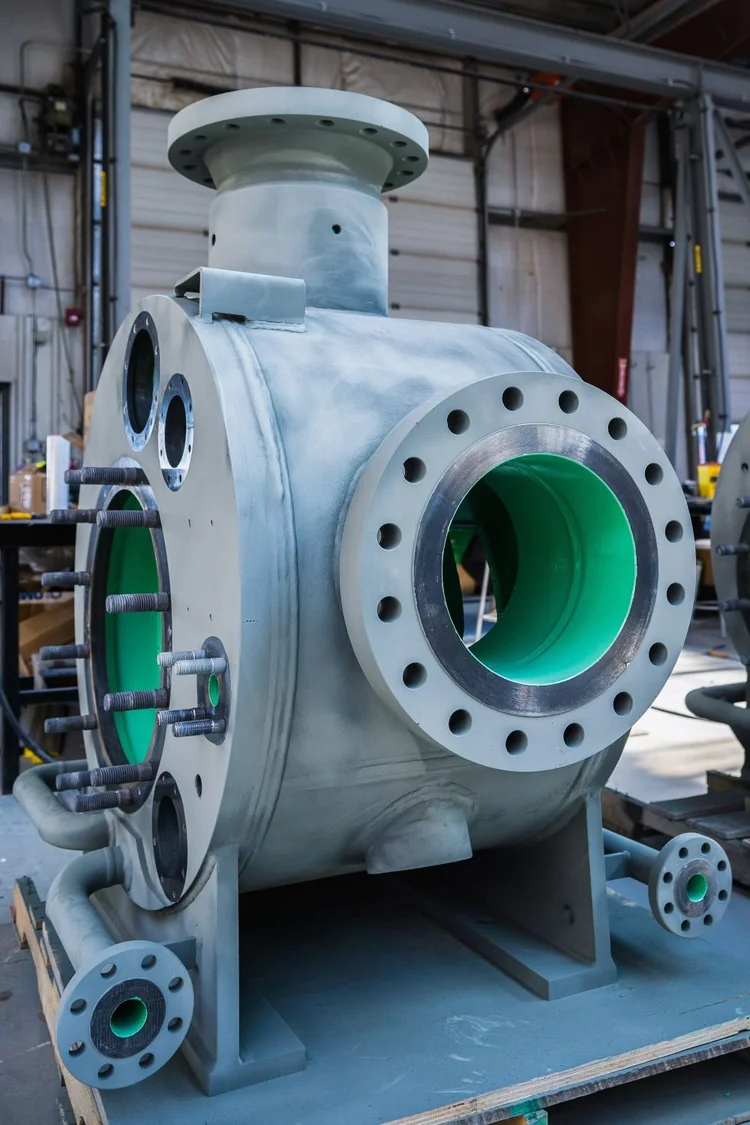
Fusion Bond Epoxy
FBE is a strong option for internal and external pipeline coatings. FBE is often specified because of its wide operating range, abrasion resistance, and superior chemical resistance. The highlighted technical abilities are as follows:
- Operational temperature of -100°F/-73°C to 203°F/95°C
- Excellent anti-corrosive properties
- The second layer can be specified for abrasion/impact resistance.
- High adhesion to steel substrate surface
- Low disbondment
- Follows CSA-Z245.20 Series-22
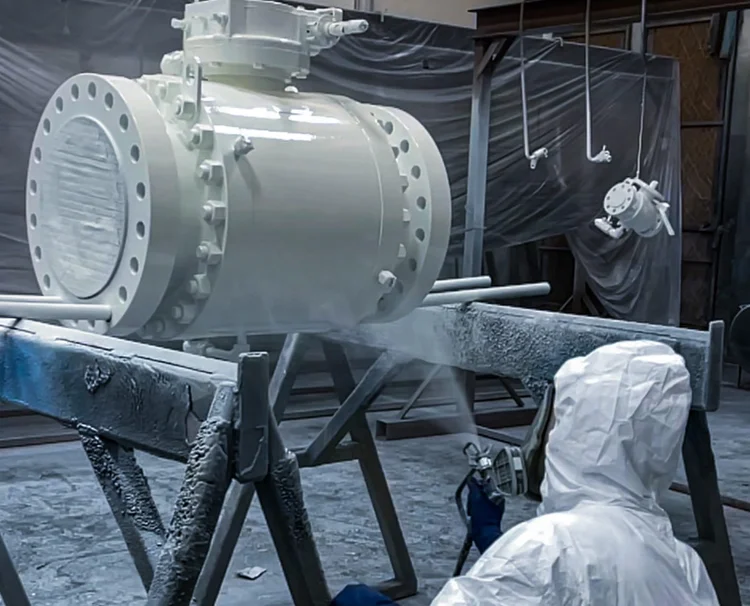
Polyurethane Coating
(Includes 100% solids, solventless, & electrometric Polyurethane) can be used as a primer or as a final coating. Polyurethane is widely specified across oil/gas and water/wastewater pipeline, tank, and flow control component applications. Polyurethane coatings are highlighted by ease of application requiring no thermosetting, and strong technical properties, including
- Strong chemical and corrosion resistance
- Increased flexibility
- High adhesion to metal substrate surfaces
- Good impact and abrasion resistance
- Strong UV stability capabilities (by aliphatic polyurethanes)
Types of Internal & External Coating
Common Industrial Painting Applications
Industrial painting is used across nearly every industry that depends on reliability and safety. Some of the most common applications include:
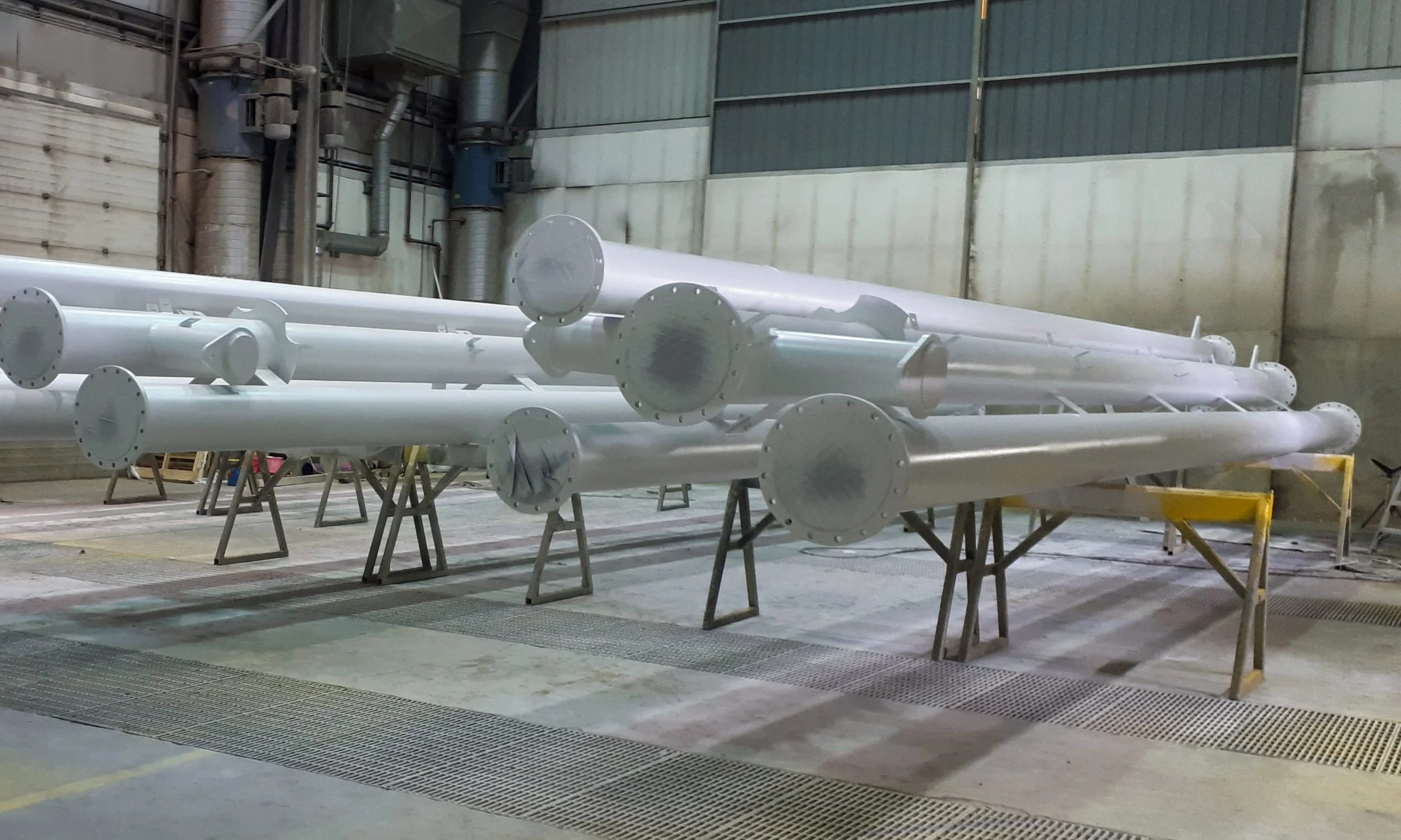
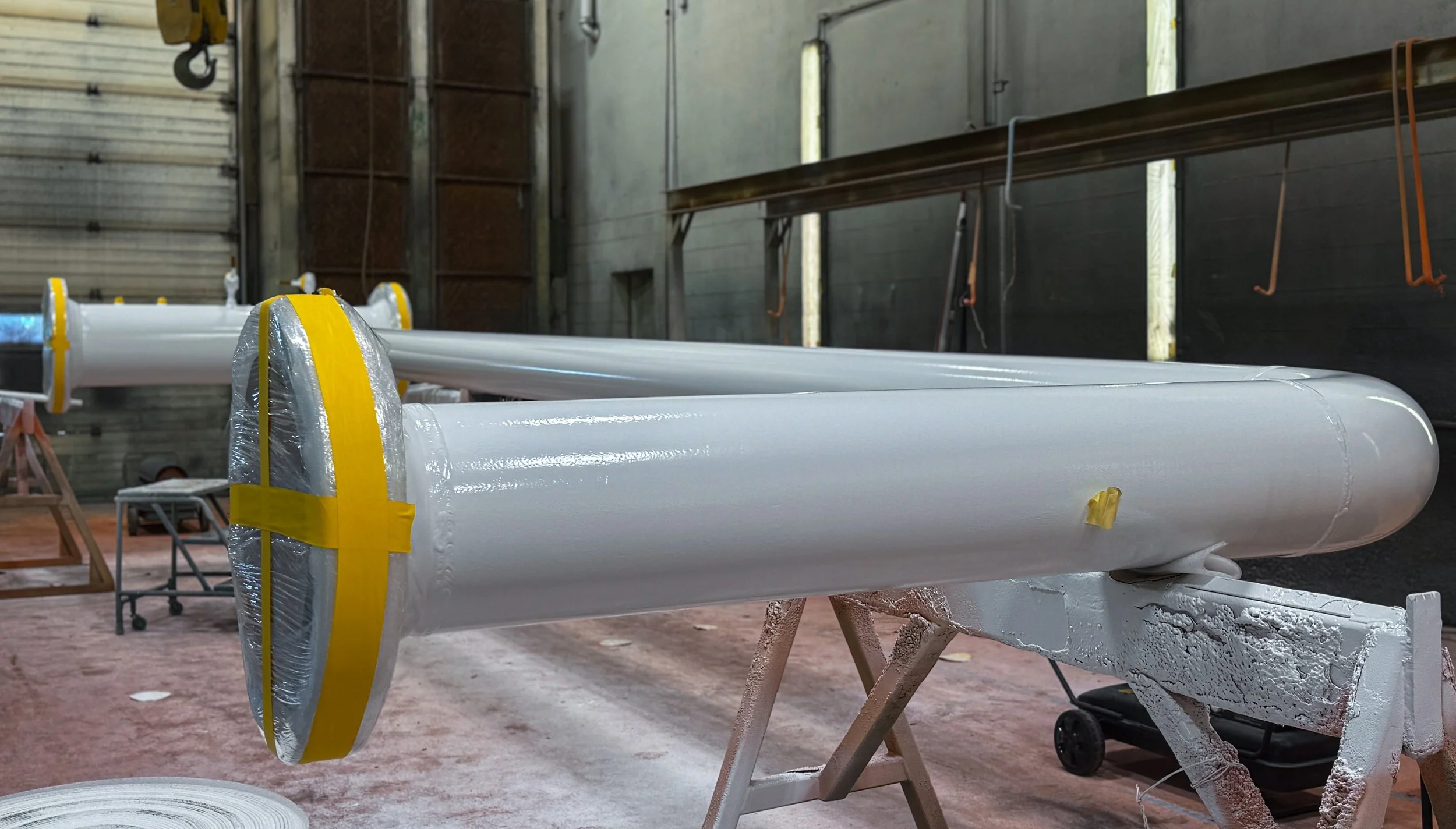
Pipes & piping systems
Downstream pipes, spools, bends, anchors, and tubular joints.
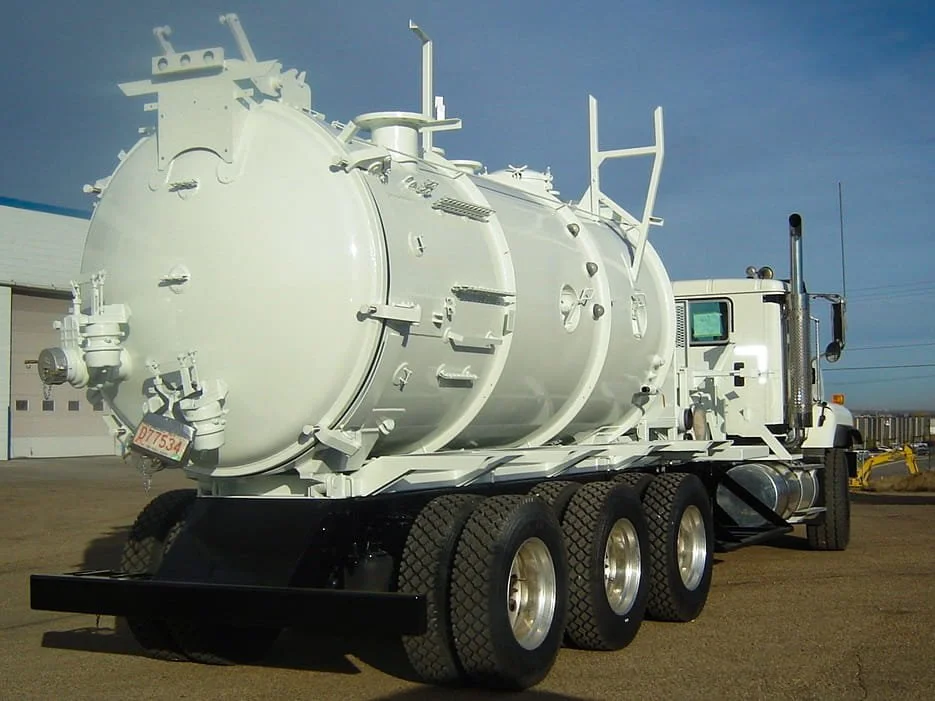
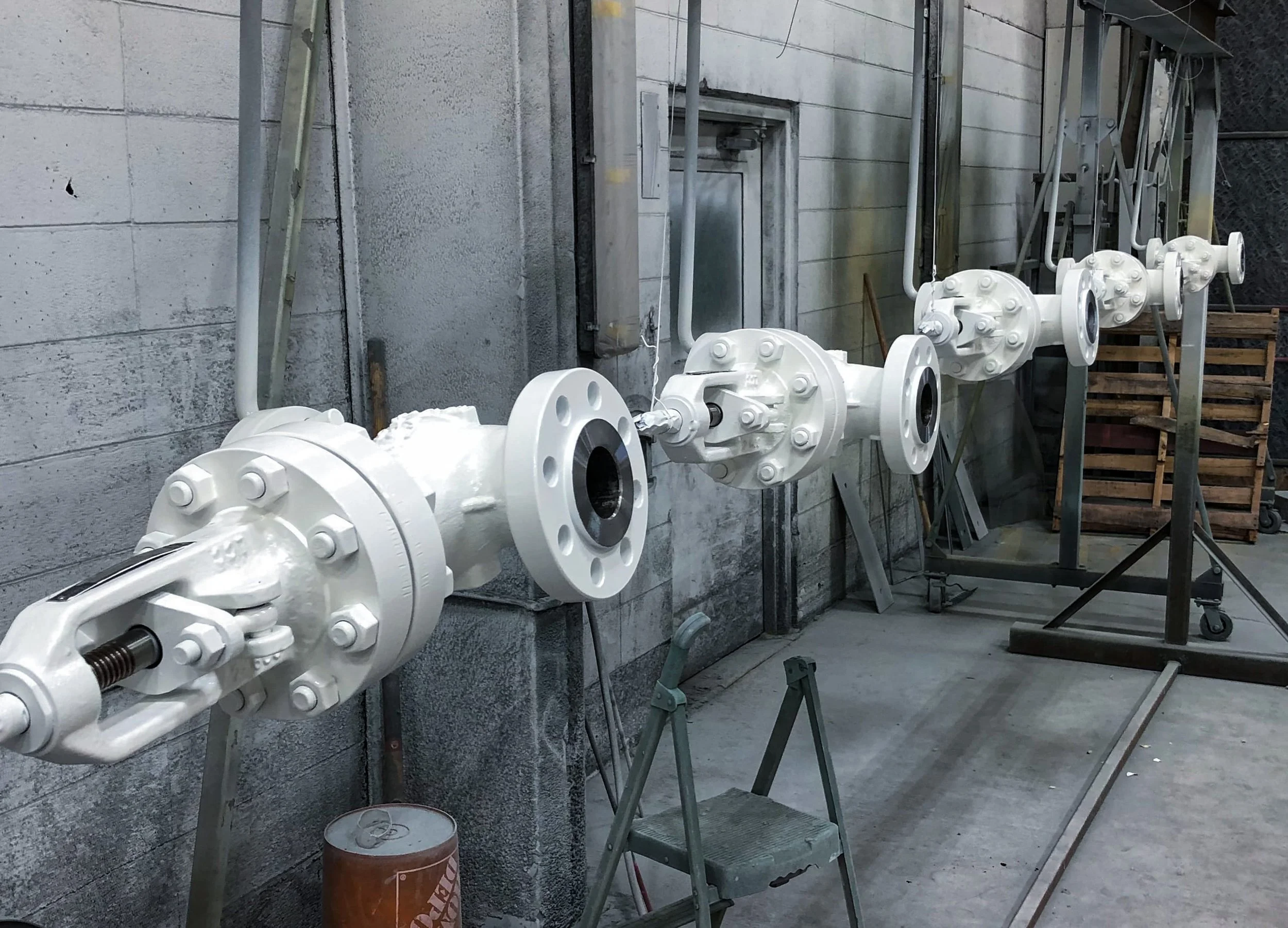
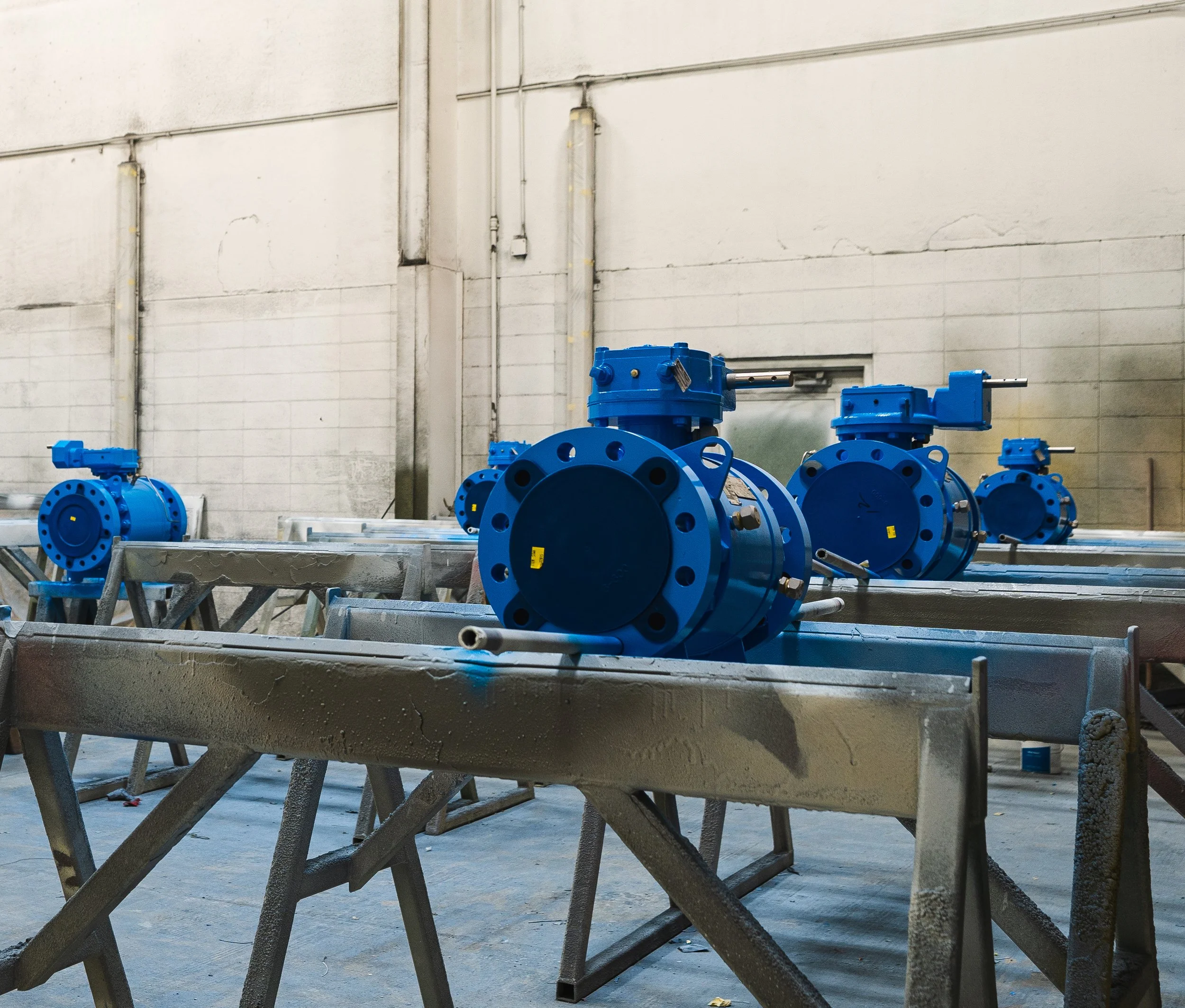
Oilfield & petrochemical equipment
Tanks, skid systems, separators, and pressure vessels.
Construction and infrastructure
Structural steel, screw piles, handrails, kick plates, and containment tanks.
Let’s Discuss Your Project
Need help finding the right solution? Contact us below or fill out the contact form, and the appropriate customer service specialist will contact you.


Industrial Painting FAQs
-
Industries such as oil & gas, marine, construction, and automotive benefit the most due to their exposure to corrosion, chemicals, and heavy mechanical stress.
-
No. They can also be applied during refurbishment projects to extend the service life of older equipment and reduce replacement costs.
-
Lifespan depends on the coating type and service environment. With proper application and maintenance, coatings can last many years, even in extreme conditions.