
Sandblasting Services
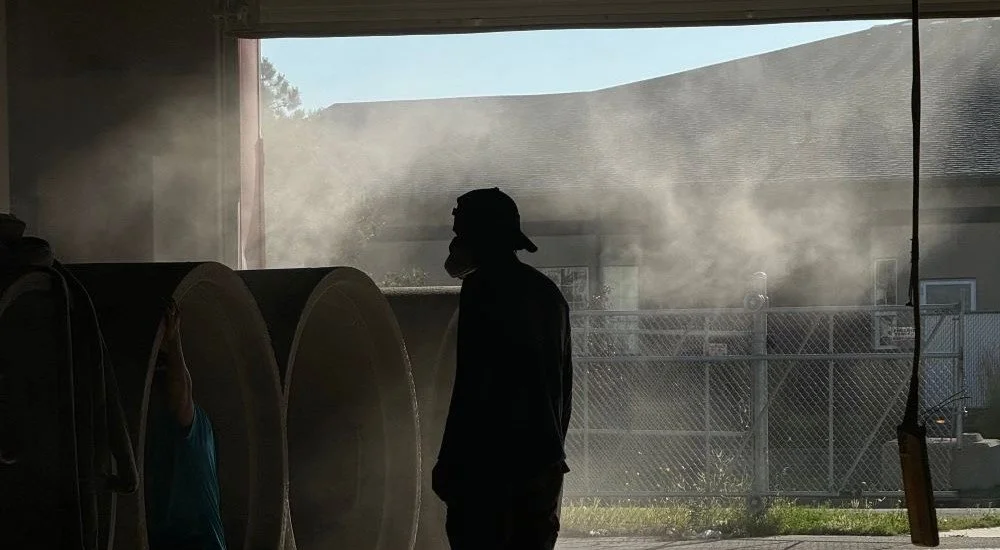
Professional sandblasting and grit blasting services serving industries across Alberta and beyond. Contact us to discuss your project and request a quote.
Abrasive Blasting/ Sandblasting Overview
What is Abrasive Blasting?
Abrasive blasting is a surface preparation process that propels abrasive media (steel grit, aluminum oxide, glass beads, etc.) at a substrate under controlled pressure, creating defined anchor profiles or surface stress states depending on application requirements.
How is Sandblasting Performed at CCI?
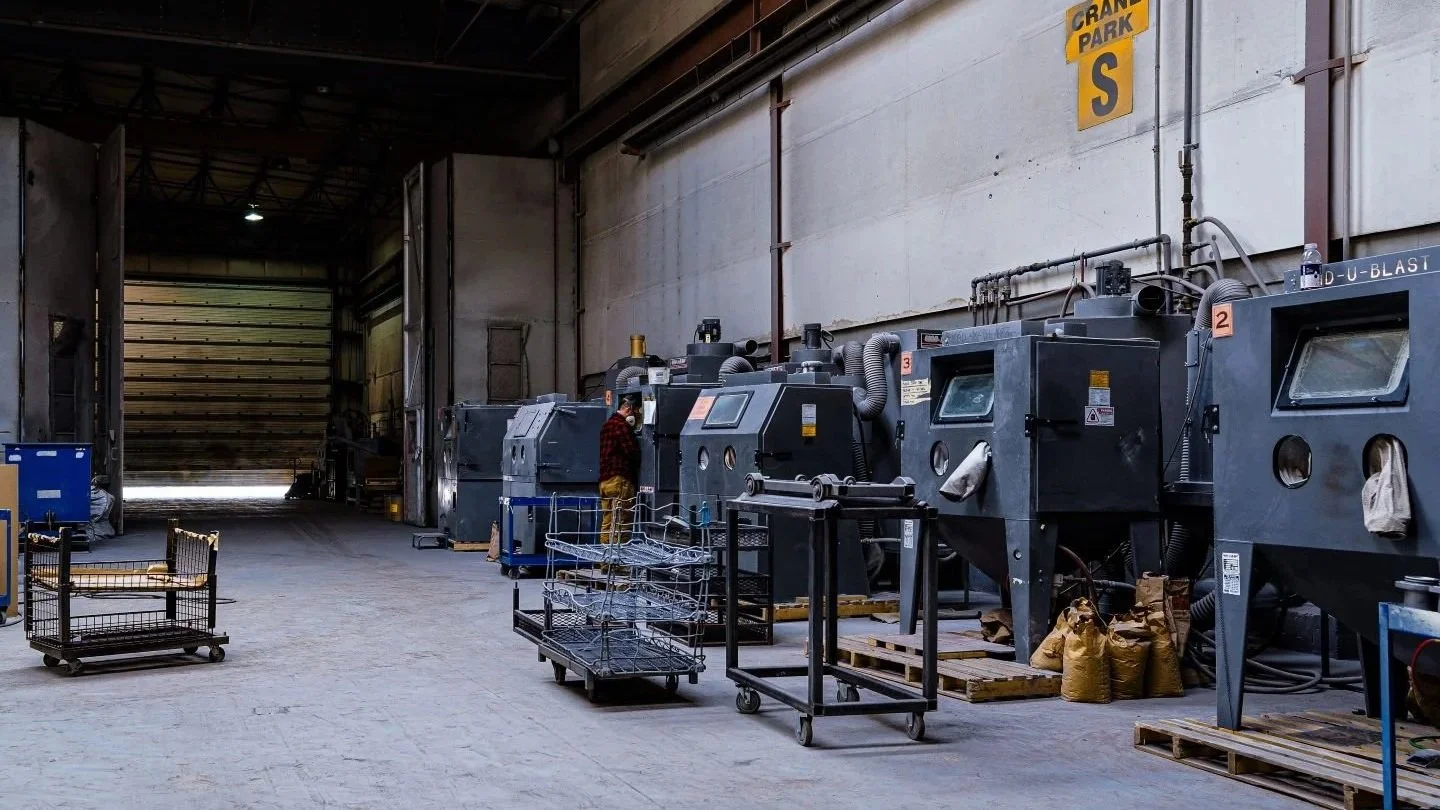
Our facility operates a 10,000 sq. ft. blast bay that can accommodate large-diameter pressure vessels, piping spools, structural steel, and heavy industrial fabrications. We use blast cabinets to ensure controlled anchor profiling for smaller components and precision parts. CCI adheres to SSPC, NACE, and ISO 8501 specifications on all projects.
What industries are served by CCI?
Custom Coatings International works closely with the oil and gas, structural steel, heavy equipment, and manufacturing sectors across Central Alberta, Western Canada, and internationally, ensuring surface preparation work meets specifications.
Why select Custom Coatings International?
In industries where coating failures can drive excessive repair and maintenance costs, choosing an experienced, proven applicator is critical. With over 30 years of experience applying protective coatings and references including Baker Hughes, CCI has earned a reputation for delivering high-quality coating finishes on time and to specification. Contact us to request a quote or discuss your application.
What is Grit Blasting and Shot Peening?
Abrasive blasting encompasses two primary process categories, differentiated by blast media geometry and the intended surface outcome:
Grit Blasting (Sandblasting)
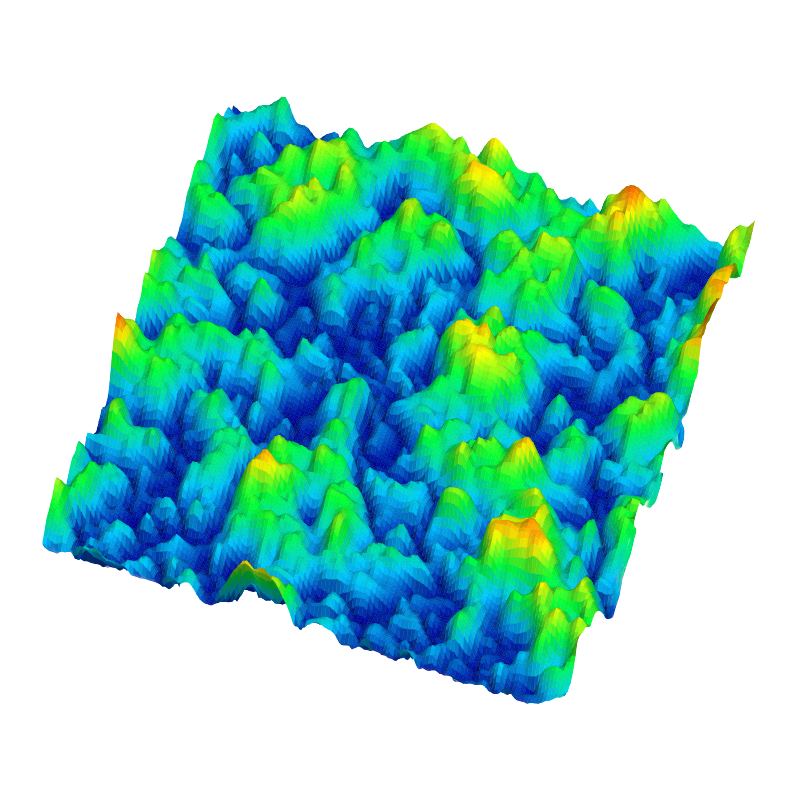
Angular, rigid abrasive particles (e.g., steel grit, aluminum oxide) are propelled at high velocity onto the substrate, removing surface contaminants and creating a microscopic, angular anchor profile typically 2–3 mils (0.002"–0.003") deep. This profile increases surface area at the microscopic level, providing the mechanical interlock required for optimal adhesion of protective coatings and linings. Grit blasting is the standard preparation method prior to industrial coating application.
Shot Peening (Bead Blasting / Glass Peening)
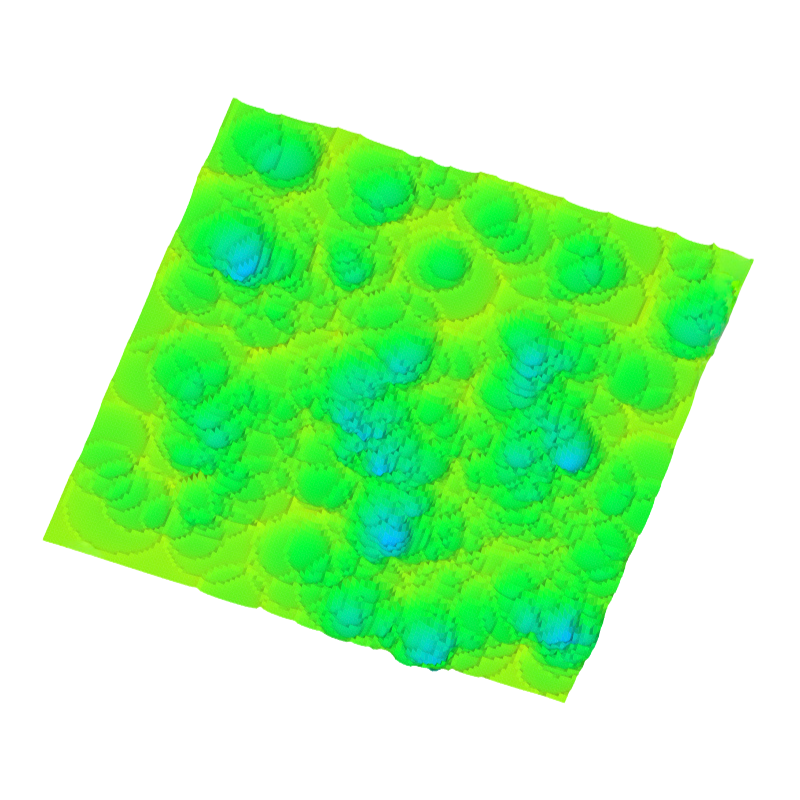
Spherical media is impacted onto the substrate at controlled velocity and coverage. Unlike grit blasting, the process does not remove material but instead cold-works the surface layer, inducing compressive residual stress. This counters tensile stresses that drive fatigue crack initiation and propagation, as well as stress corrosion cracking, extending the service life of critical components operating in demanding environments.
What is Sandblasting?
Sandblasting is a common form of abrasive blasting, in which a stream of abrasive material (called media) is forcibly propelled under high pressure to smooth or roughen a surface, shape it, or remove contaminants. The high-pressure stream is typically driven by a pressurized fluid, such as compressed air, or by a centrifugal wheel. The media can vary widely depending on the desired surface profile. For industrial coatings, abrasive blasting is an essential step in preparing a surface to ensure strong, long-lasting protection. A coating is only as effective as the surface beneath it, and without proper preparation even advanced systems can fail due to poor adhesion. Abrasive blasting not only eliminates rust, scale, and contaminants, but also produces the controlled surface roughness needed for new coatings to form a reliable mechanical bond. This improves corrosion resistance, enhances adhesion, and extends the service life of pipelines, tanks, and structural components. To guarantee performance, our team follows SSPC/NACE standards to achieve the required level of cleanliness and surface profile for each coating system.
Sandblasting Capabilities
We’re equipped to handle projects of all sizes. Anything from small precision components to large-scale industrial equipment. Our facility includes:
- 6 MUB blast cabinets → for small to medium-sized parts requiring controlled blasting.
- 1 glass bead machine → ideal for peening and fine finishing work.
- 10,000 sq. ft. indoor blast bay → accommodates heavy equipment, structural steel, and large industrial jobs year-round.
- Exterior blasting capabilities → for oversized equipment and on-site industrial projects.
This range of equipment allows us to deliver efficient turnaround times without compromising quality.
Let’s Discuss Your Project
Need help finding the right solution? Contact us below or fill out the contact form, and the appropriate customer service specialist will contact you.


Sandblasting FAQs
-
Whether a part is newly fabricated or rusted and weathered, requiring recoating, sandblasting is a critical step in the coating process. Sandblasting removes contaminants and creates a controlled surface profile, allowing coatings to properly bond to the substrate and achieve long-term adhesion and performance.
-
Yes, you can sandblast aluminum as long as the correct blast media is selected.
-
The best abrasive depends on the substrate material and the desired anchor profile. Custom Coatings International uses aluminum oxide, coal slag, copper slag, steel grit, garnet, and glass beads to achieve the appropriate surface preparation standard.
-
Sandblasting uses angular abrasive media to clean surfaces and create an anchor profile for protective coating adhesion, while shot peening uses spherical media to induce compressive residual stresses that improve fatigue strength and resistance to stress corrosion cracking.